
The Shell Stitch crochet dishcloth is one of those timeless crochet projects that combines beauty, texture, and practicality. Whether you’re looking to create a durable crochet dishcloth pattern for everyday cleaning or simply want to practice an elegant stitch, this classic design is an excellent choice.
Unlike flat stitches, the shell stitch creates soft, rounded fans that add both visual interest and gentle scrubbing power. The resulting fabric is thick enough for washing dishes while remaining flexible and comfortable in your hands. Dishcloths are small projects, so they’re great for beginners learning new stitches and experienced crocheters looking for a relaxing project. They also make thoughtful handmade gifts and are an excellent way to use leftover cotton yarn.
You’ll love the shell stitch crochet dishcloth. First, the stitch creates a beautiful texture without requiring complicated techniques. Once you learn the stitch repeat, the project becomes very relaxing. Second, the raised shell patterns gently exfoliate, making this textured crochet dishcloth more effective than many flat stitch designs. The small ridges help lift food residue while being gentle on cookware. Another advantage is that it can be used in many ways. You can easily change the size, colors, and border to match your kitchen décor or seasonal themes. The stitch naturally creates a decorative texture, so even a simple cotton yarn looks elegant. This makes the Shell Stitch crochet dishcloth perfect for gift baskets, housewarming presents, or holiday markets.
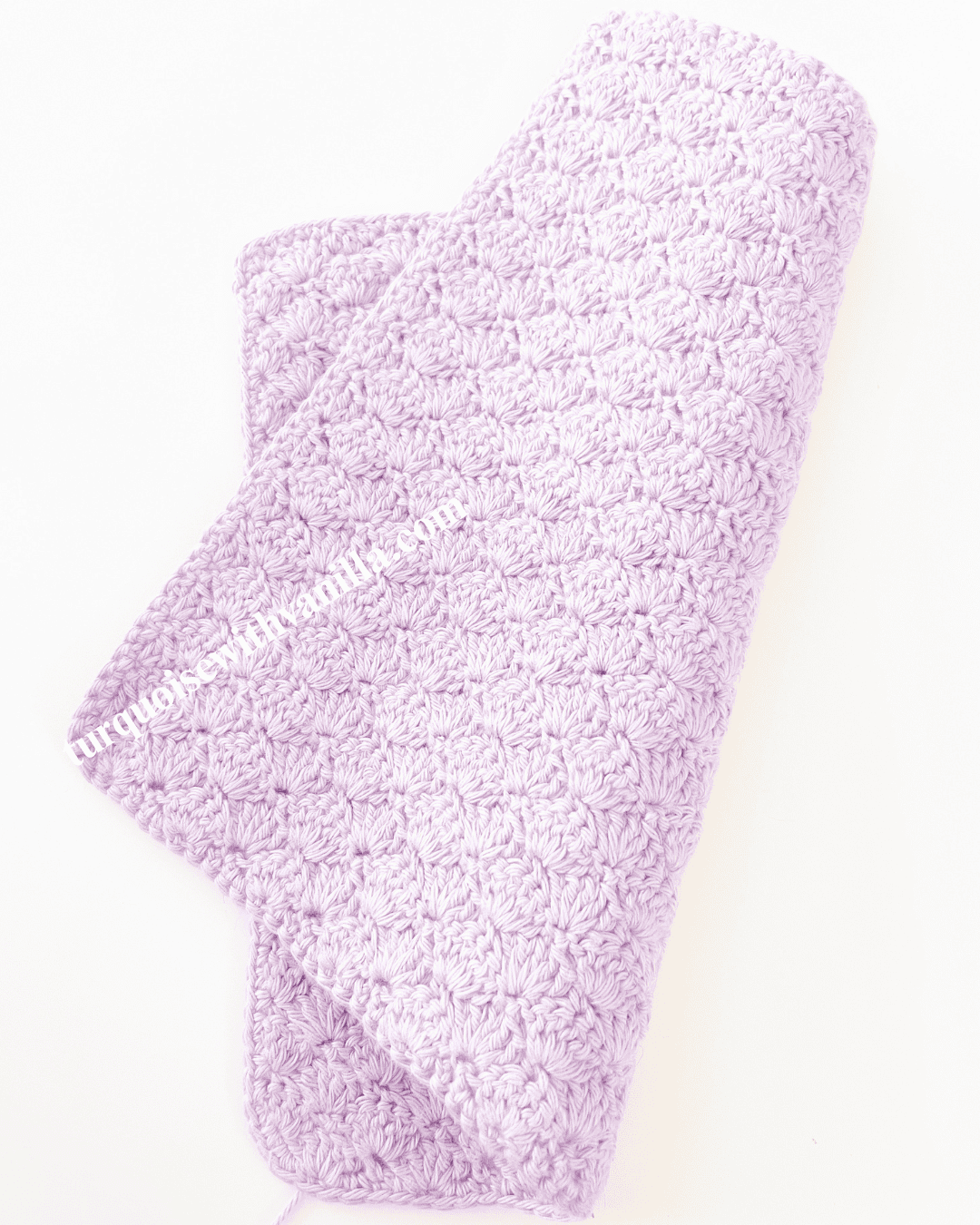
The shell stitch has a beautiful texture. The shells look like fans or seashells, with the texture flowing in rows across the fabric. This pattern looks complex, but it’s easy to learn. The solid-coloured yarns often show off the texture better than variegated or multi-coloured yarns. The stitch also produces a fabric that is very balanced. It’s not too thick, but it’s also not too thin. This makes it easy for water to pass through, but still provides enough thickness for cleaning.

The best yarn to use for a shell stitch crochet dishcloth:
Choosing the right yarn can make a big difference in the final product.
For almost all cotton crochet dishcloths, 100% cotton yarn is the best choice. It absorbs well, lasts a long time, can be washed in a washing machine, doesn’t stretch easily, and the stitching stays in place. Mercerized cotton creates a crisp, polished look, while standard kitchen cotton produces a softer, more rustic appearance.
Don’t use acrylic yarn for dishcloths because it doesn’t absorb water well and it might get too soft when it gets hot.
Lighter colours make it easier to see stains and know when to wash the cloth.
Is the Shell Stitch Good for Beginners?
Absolutely. Even though the finished fabric looks detailed, the shell stitch only uses a simple sequence of stitches. Once you finish the first few rows, the pattern will become rhythmic and easy to crochet. The shell stitch is a beginner crochet stitch. It teaches several valuable crochet skills.
Things to work on:
- Counting the stitches;
- Repeating stitches;
- Recognizing groups of stitches;
- Keeping tension even.
Working on a small project such as a dishcloth allows beginners to practice without committing to a large blanket or garment. The shell crochet stitch creates a sophisticated finish and works up steadily.
The shell stitch is great for making dishcloths. Not all crochet stitches are equally useful in the kitchen. The Shell Stitch crochet dishcloth has several practical advantages:
- The raised edges of the shells make it easier to get dried food off your plates and cooking utensils.
- The textured fabric also traps soap bubbles well, which makes washing dishes easier while using less detergent.
- Even though it looks textured, shell stitch fabric is still flexible. You can wring it out after you use it.
- It’s made to dry quickly, so it doesn’t keep moisture between uses.
- If you’re looking to reduce waste, consider a reusable crochet dishcloth made with cotton. It’s an eco-friendly alternative to synthetic cleaning cloths.
How to Care for Your Crochet Dishcloth
If you take care of them, handmade dishcloths can last for years.
- Wash your cotton dishcloth regularly. Use warm or hot water and a mild detergent.
- Don’t use fabric softeners because they reduce cotton’s natural ability to absorb moisture.
- If you want, you can let the cloth air dry to keep its shape, or you can tumble dry it on low heat.
- Sometimes, soaking the dishcloth in vinegar can help get rid of bad smells and keep things fresh.
- Many crocheters rotate several dishcloths throughout the week to extend the lifespan of each one.
- If you take care of it, a good handmade dishcloth will last for hundreds of washes.
Here are some creative ways to use a shell stitch crochet dishcloth.
These cloths were designed for kitchens, but they can be used in many other places around the home.
They work beautifully as:
- Cleaning cloths for the kitchen;
- Washcloths for the bathroom;
- Facial cloths;
- Spa gift sets;
- Housewarming presents;
- Gifts for teachers;
- Cleaning cloths for camping;
- Reusable cleaning cloths.
They are quick to crochet, so they are also great for craft fairs. Pair several colours of handmade soap with other colours to create a thoughtful gift set.
Explore More Crochet Dishcloth Patterns:
- Trio crochet dishclots;
- Grit crochet dish set;
- Alpine crochet dishcloth;
- Chevron crochet dishcloth;
- Star stitch dishcloth;
- Waffle dish/washcloth;
Ideas for Colours for Every Season:
One of the best parts about crocheting dishcloths is being able to play around with different colours.
Fresh spring palettes include mint, lavender, pale yellow, and soft aqua.
Summer kitchens look bright with colors like coral, turquoise, lemon, and white.
Some of my favourite fall colours are pumpkin, olive, mustard, rust, and cream.
When it comes to winter or holiday decorations, deep red, forest green, navy, and ivory always look great together.
Simple striped versions can also highlight the shell texture beautifully. To make your kitchen look like it was made by hand, match the colours of your dishcloth with the colours of your kitchen towels.
Why You Should Try the Shell Stitch Crochet Dishcloth
The Shell Stitch crochet dishcloth is a beautiful and practical project that is also relaxing to work on. Its smooth texture looks great and works well for cleaning every day. You can use this stitch to make reusable kitchen cloths or to make thoughtful handmade gifts, this stitch offers endless possibilities. The project is small, affordable, and easy enough for beginners to use. It’s a great way to try out new techniques and make something useful. If you’re looking for a crochet project that has texture, is fast to make, and stays beautiful even after being washed many times, the Shell Stitch crochet dishcloth is a great choice.
For my crochet dishcloths, I’ve used40 g Rowan Summerlite 4ply Blushes and a 3mm hook.
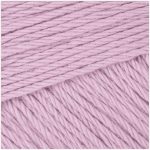
This is such high-quality cotton yarn! This yarn is buttery soft, 4-ply, and durable, making it perfect for all your cotton knitting and crochet projects.
The colour chart is full of beautiful colours. Take your pick and get started! You’re going to love this yarn, and you can buy it right HERE!
Buy me a cup of coffee if you want to support my work as a crochet and knitting designer and help me to provide more free patterns and designs:

Prefer an ad-free printable version?
You can purchase the printable PDF pattern, which includes step-by-step instructions and is perfect for offline crocheting HERE
The pattern for the Shell stitch crochet dishcloth:
The final dimensions are: 21.5 cm x 20 cm (8.5 inches x 8 inches);
The chart:

The written instructions:
Abbreviations:
The pattern uses US crochet terminology.
ch= chain;
sl.st= slip stitch;
st= stitch;
sts= stitches;
sc= single crochet;
dc= double crochet;
3dc shell= 3 double crochet shell;
5dc shell= 5 double crochet shell
Start with 68 chains (multiple of 6 chains plus 2).
1. Row 1: sc in the 2nd chain from the hook, *skip 2 chains and make a 5 dc shell, skip 2 chains and make 1 sc*. Repeat *-* to the end of the row.
2. Row 2: chain 2 (count as a dc) and make 2 dc in the first st. *Make 1 sc in the 3rd st of the next shell st , make 5 dc shell stitch in the next sc st*. Repeat *-* to the last shell st and make 1 sc in the 3rd st of the shell then crochet 3dc in the last sc of the row.
3. Row 3: ch1, sc in the first stitch, * in the next sc stitch make 5 dc shell st, in the 3rd dc of the shell st make 1 sc*. Repeat *-* to the end of the row.
Repeat the pattern from row 2 until you the desired length is reached. I’ve crocheted until I had 29 rows (approximately 20 cm/8 inches).
The edge:
Crochet the edge on the right side of the dishcloth. To do this, crochet one round of single crochet stitches:
- for the first side make 3 sc for every 2 rows, in the corner make 2 sc; in total you should have aprox 43 sc (only for this side);
- for the 2nd side make 46 sc plus 2 sc in the corner, in total you should have aprox 48 sc (only for this side);
- for the 3rd side repeat the first side, but in the corner (in the sc st) make 2 double crochet sts, in total you should have aprox 44 sts (only for this side);
- for the last side: *1 sc in every next 4 sts, in the next 3 sts (1dc, 1sc, 1dc) make 3dc tog*. Repeat to the last 5 sts and make 1 sc in every next 4 sts and 2dc in the last st, Sl.st to close the round. In total you should have aprox 44 sc (only for this side).
For the edge don’t worry too much about getting the stitch count exact, just try to have a similar number for the opposite side (the first side with the 3rd and the 2nd side with the last side).
Tie off and weave in the ends.
Prefer an ad-free printable version?
You can purchase the printable PDF pattern, which includes step-by-step instructions and is perfect for offline crocheting HERE.
Tips & Troubleshooting for Shell Stitch Crochet Dishcloth
Tips for better results:
1. Keep the tension the same.
Shell stitch relies on grouped stitches, so if the tension is uneven, the “fans” will look irregular. Try to keep the tension in your yarn relaxed but consistent throughout the project.
2. Count your shells, not just your stitches.
Instead of focusing only on individual stitches, count each shell as one unit. This helps prevent accidental increases or decreases in your crochet dishcloth pattern.
3. Block your dishcloth (this step is optional, but it’s recommended).
Blocking helps make the shell texture more open, which makes your textured crochet dishcloth look more polished.
4. Choose the right hook size for the fabric’s weight.
If the fabric feels too stiff, use a hook size that’s half a size larger. If it feels too loose, go down a size. The goal is to make a crochet washcloth texture that is balanced and easy to use.
5. Use cotton yarn to make dishcloths.
Cotton yarn is the best because it is durable and absorben. Don’t use acrylic blends.
Troubleshooting common problems:
1.Problem: My shells look uneven or “lopsided.”
Cause: Problems with the stitch placement, like stitches that are skipped, are common.
Fix: Recount each shell group and make sure you’re working in the right stitch spaces.
2. Problem: The edges are curling or pulling in.
Cause: The problem is that the tension is too tight or the hook is too small.
Fix: Loosen your tension or switch to a slightly larger hook size.
3. Problem: The dishcloth is shrinking or turning narrow
Cause: Accidental stitch loss in rows.
Fix: Always count rows and stitches and mark your first stitch of each row if needed.
4. Problem: The texture doesn’t look like shells
Cause: Missing stitch groups or incorrect spacing.
Fix: Make sure you work each shell fully into the same stitch or space.
5. Problem: Fabric feels too stiff for a dishcloth
Cause: Dense stitch tension or small hook
Fix: Increase hook size or relax tension, this will make it softer and easier to reuse.
Frequently Asked Questions about the Shell stitch crochet dishcloth:
Is the Shell Stitch crochet dishcloth a good project for beginners?
Yes. Once you understand the stitch repeat, the shell stitch becomes easy to crochet and is an excellent project for building confidence.
What yarn is best for a Shell Stitch crochet dishcloth?
A 100% cotton yarn is the best choice because it is absorbent, durable, washable, and it holds the shell texture beautifully.
Can I use the shell stitch for washcloths too?
Absolutely. The shell stitch creates a soft yet textured fabric that works well for bath washcloths and facial cloths when made with soft cotton yarn.
Does the shell stitch use more yarn than other types of stitches?
Yes, this stitch uses slightly more yarn than other stitches because it works multiple stitches into the same space to create each shell. But 50g of yarn is enough for one dishcloth.
How often should I wash a crochet dishcloth?
You should wash your cotton crochet dishcloth after using it a few times or whenever it gets dirty. Washing it regularly helps it stay fresh and keep things dry.
Enjoying this pattern?
Support my work and get the ad-free printable PDF for easy offline crocheting HERE.
If you’ve made this crochet dishcloth set to sell or give as a gift, I recommend washing it by hand or in the washing machine at a maximum temperature of 40°C. I prefer 20°C for all my cotton items. Dry it flat, then iron it on the cotton setting. The dishcloth will smell and look better.
If you liked making the Shell Stitch crochet dishcloth, try using different yarn colors to make your own set of reusable kitchen cloths. Small projects like this are a great way to practice stitch texture while making something useful for your everyday life. Save this pattern for later, share it with other crochet lovers, and explore more easy crochet stitch ideas to expand your handmade kitchen collection.
I can’t wait to see your photos of this crochet dishcloth! Please tag me when you share your project on Instagram or Facebook, or use the hashtag #turquoisewithvanilla.
Follow my Facebook and Instagram pages to see my latest projects. Subscribe to my YouTube channel for my video tutorials: https://www.youtube.com/channel/UCUpzoP-RDaJV1_2kvJMh5QQ/videos
*Some links may be affiliate links, allowing me to earn a small commission on any products purchased through my recommendation. Please note that this does not influence my opinions or recommendations in any way.
© Turquoise with Vanilla, 2026. All rights reserved. The pattern and photographs of the items on this website are the property of Julia Bleau, trading as Turquoise with Vanilla. Please do not sell the pattern or claim it as your own. The pattern is for personal use only and must not be translated or reproduced in another language. Please respect my rights and do not share or publish this pattern anywhere without my permission. You can sell items made using this pattern, but please credit Turquoise with Vanilla or Julia Bleau as the designer.


[…] 3. Shell Stitch Dishcloth […]
[…] Shell stitch crochet dishcloth; […]